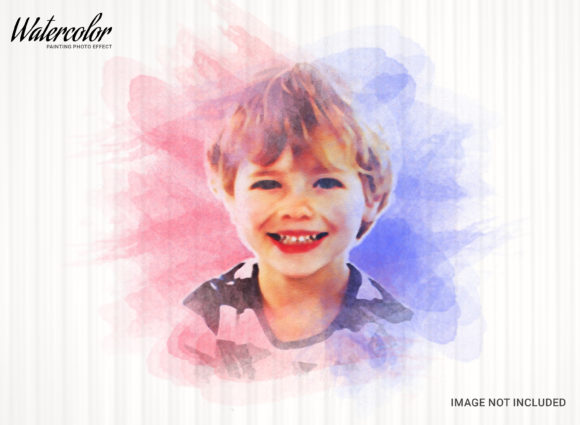
Transforming Digital Photos into Realistic Watercolor Art Painting Sketches
The intersection of traditional artistic mediums and modern digital technology has created a vibrant space for creators who want the aesthetic charm of hand-painted art without the steep learning curve or time commitment. At the heart of this movement is the Realistic Watercolor Art Painting Sketch, a digital asset that bridges the gap between photography and fine art. Whether you are a graphic designer looking to add texture to a client project, a social media influencer seeking unique visual content, or a hobbyist wanting to preserve memories in a new light, understanding how to effectively utilize these tools can revolutionize your creative workflow.
The Allure of Hand-Painted Aesthetics in a Digital World
In an era dominated by high-definition, crisp imagery, there is a growing appreciation for imperfection, texture, and organic flow. Watercolor painting, with its translucent layers, unpredictable blooms, and soft edges, offers a sense of warmth and humanity that sterile digital filters often lack. A Realistic Watercolor Art Painting Sketch captures this essence by simulating the way pigment interacts with paper fibers. It is not merely about applying a blur or changing color saturation; it is about replicating the physical behavior of water and paint.
This style is particularly effective for portraits, landscape photography, and product showcases where the goal is to evoke emotion rather than just display information. The softness of watercolor invites the viewer to linger, filling in the gaps with their imagination. When you integrate this effect into your work, you are tapping into a centuries-old artistic tradition, making your content stand out in crowded digital feeds.
Why Choose a Professional Photoshop Action Template?
While many mobile apps offer one-tap filters, they often result in generic, low-quality outputs that lack depth and customization. For professionals and serious enthusiasts, a dedicated Photoshop File with clean actions is the superior choice. These templates are engineered to provide control, quality, and flexibility. Here is why opting for a well-structured template matters:
- Clean Actions and Clean Work: A professionally developed action set ensures that every step of the process is recorded logically. This means no hidden layers, no messy adjustment groups, and no unexpected errors. You can trust the tool to perform consistently across different images.
- Smart Object Layers: This is perhaps the most critical feature. By using smart objects, the effect remains non-destructive. You can replace the source image at any time, and the watercolor effect will automatically update to fit the new photo. This saves hours of repetitive work when processing multiple images.
- Fully Editable Parameters: Unlike a flat filter, a robust template allows you to tweak individual components. You might want more pigment concentration in the shadows or less water spread in the highlights. With editable layers, you have full command over the final look.
- High Resolution Output: Designed for print and high-end digital displays, these templates typically operate at 300 DPI. This ensures that your watercolor art looks crisp on canvas prints, brochures, or large-format posters, avoiding the pixelation common in lower-quality apps.
Streamlining Your Workflow: From Photo to Masterpiece
One of the primary benefits of using a Watercolor Photo Effect Template is efficiency. What might take a skilled artist days to paint manually can be achieved in minutes, allowing you to focus on composition and curation rather than technical execution. However, achieving a truly realistic result requires more than just clicking "play." It demands a thoughtful approach to source material and post-processing.
Selecting the Right Source Image
The quality of your output is directly tied to the quality of your input. While the action is powerful, it works best with images that have good contrast and clear subjects. Portraits with distinct facial features, landscapes with defined horizons, or still-life compositions with strong lighting tend to yield the most striking results. Avoid overly noisy or low-light photos, as the watercolor simulation may amplify grain rather than smooth it out.
It is also recommended to adhere to the recommended image size specified by the template creator. While smart objects are flexible, starting with an image that matches the intended aspect ratio and resolution prevents unnecessary scaling issues. If you are planning to print the final piece, ensure your original photo is high enough resolution to support the 300 DPI requirement of the template.
Executing the Action
The process is straightforward but rewarding. First, open your chosen photo in Photoshop. Next, load the action panel and select the primary watercolor action. As instructed by most professional templates, you should run the first Action on your photo. This initial step usually sets up the base layers, converts the image to the necessary color mode, and applies the foundational texture maps.
Once the action completes, you will see a series of new layers in your layers panel. This is where the magic happens. Because the file is well organised, you can easily navigate through groups labeled "Texture," "Color Adjustment," "Paper Grain," and "Edge Effects." Take your time to explore these groups. Toggle visibility on and off to see how each element contributes to the overall realism. You might find that reducing the opacity of the paper grain layer gives a smoother finish, while increasing the contrast in the color adjustment layer makes the colors pop.
Customization and Creative Control
A static filter limits your creativity; a dynamic template expands it. The true power of a Realistic Watercolor Art Painting Sketch lies in its adaptability. You are not stuck with a single look. By adjusting the blending modes of specific layers, you can shift the mood from bright and airy to dark and moody.
For instance, if you are working on a wedding album, you might prefer a softer, pastel-heavy watercolor effect. You can achieve this by lowering the saturation of the underlying color layers and adding a warm color balance adjustment. Conversely, for a dramatic architectural shot, you might boost the clarity and deepen the shadows to emphasize the structural lines while maintaining the fluid watercolor edges.
Moreover, because the template uses smart objects, you can apply additional Photoshop tools directly to the source image before the effect is rendered. Adding a slight Gaussian blur to the background of your photo before running the action can create a beautiful depth-of-field effect that mimics the way watercolor painters often leave backgrounds abstract and undefined.
Practical Applications Across Industries
The versatility of watercolor effects extends far beyond personal art projects. In marketing and branding, businesses use these visuals to convey authenticity and craftsmanship. A skincare brand might use watercolor-rendered product shots to suggest natural ingredients and gentleness. Real estate agents can transform standard property photos into artistic sketches for luxury brochures, adding a touch of elegance and exclusivity.
In the wedding industry, couples increasingly request watercolor-style save-the-dates and invitations. Using a Photoshop template allows designers to offer this premium look at a scalable price point. Similarly, educators and bloggers use these images to break up text-heavy content, providing visual relief and enhancing engagement without the copyright concerns associated with stock photography.
Final Thoughts on Quality and Consistency
When investing in digital art tools, prioritize quality over quantity. A single, well organised Photoshop file with clean actions is worth more than dozens of poorly constructed presets. Look for templates that offer documentation, support, and regular updates. The ability to easily swap photos via smart objects ensures that your workflow remains efficient even as your project volume grows.
Ultimately, the goal is to create art that resonates. A Realistic Watercolor Art Painting Sketch provides the technical foundation, but your creative vision provides the soul. By mastering the nuances of these templates—understanding how light, texture, and color interact within the digital environment—you can produce stunning, gallery-worthy pieces that captivate audiences and elevate your brand. Embrace the blend of technology and tradition, and let your creativity flow as freely as water on paper.